2,400 backers · $20 each · one hardware build fund
Help build the next weird machine.
The 24 Hundred Project is a public build fund for independent electronics: custom boards, embedded displays, sensor rigs, signal tools, motor-control experiments, firmware, and the ugly prototype work that turns ideas into hardware.
Direct project support. Not equity, stock, debt, a loan, a preorder, or a promise of financial return.
Build Fund Goal
$48,000
2,400 × $20
Start here
The pitch, without the circus music.
A simple ask: chip in $20, help fund the next round of hardware builds, and follow the work as it moves from bench chaos to finished machines.
Main pitch
2,400 people. $20 each. Real hardware.
The money goes toward parts, PCB runs, displays, sensors, enclosures, tools, testing, firmware, hosting, and public build documentation.
Workbench receipt
This is not vaporware in a hoodie.
The project is built around visible progress: photos, video, boards, wiring, failed attempts, fixes, and the proof that something is actually being made.
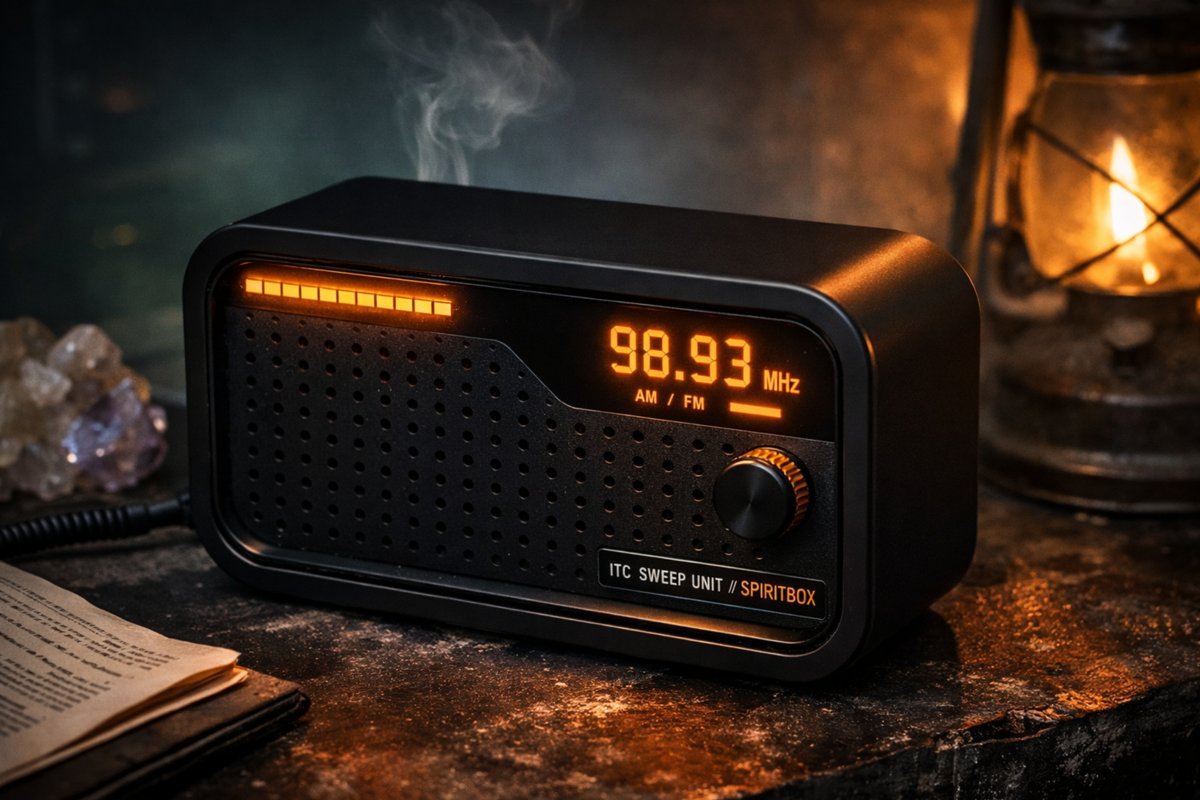
Ashen Amber
Signal instrument / smart spirit-box concept
A weird signal-device build with RF/EMF-style behavior, dashboard ideas, embedded interface work, and field-device energy.
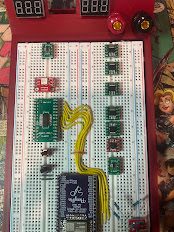
Breadboard tests
Early circuits, modules, sensors, and the messy middle where bad ideas die before they cost more money.
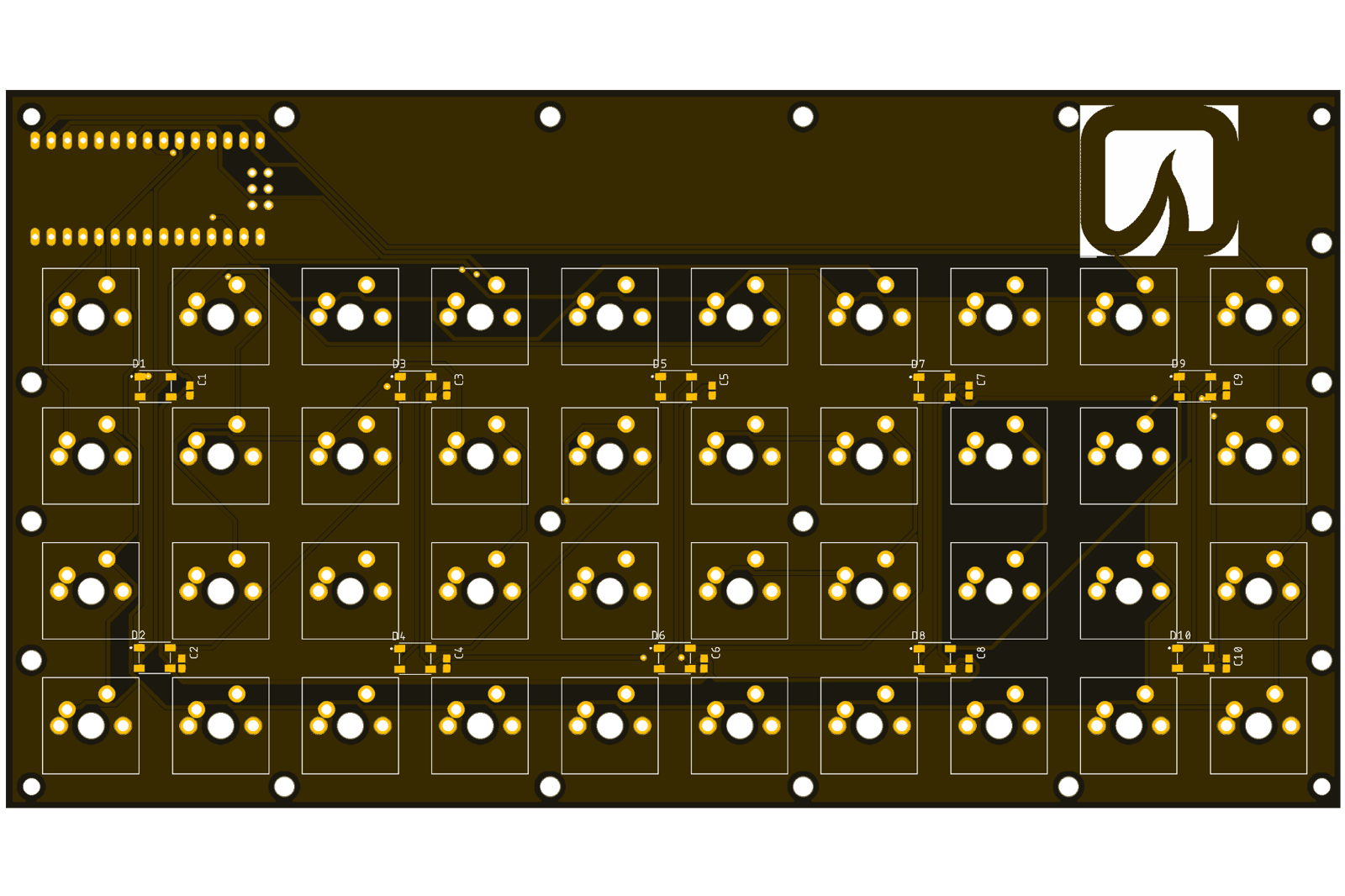
PCB work
Board layouts, keypads, controller platforms, revisions, soldering, and the grind between schematic and physical object.
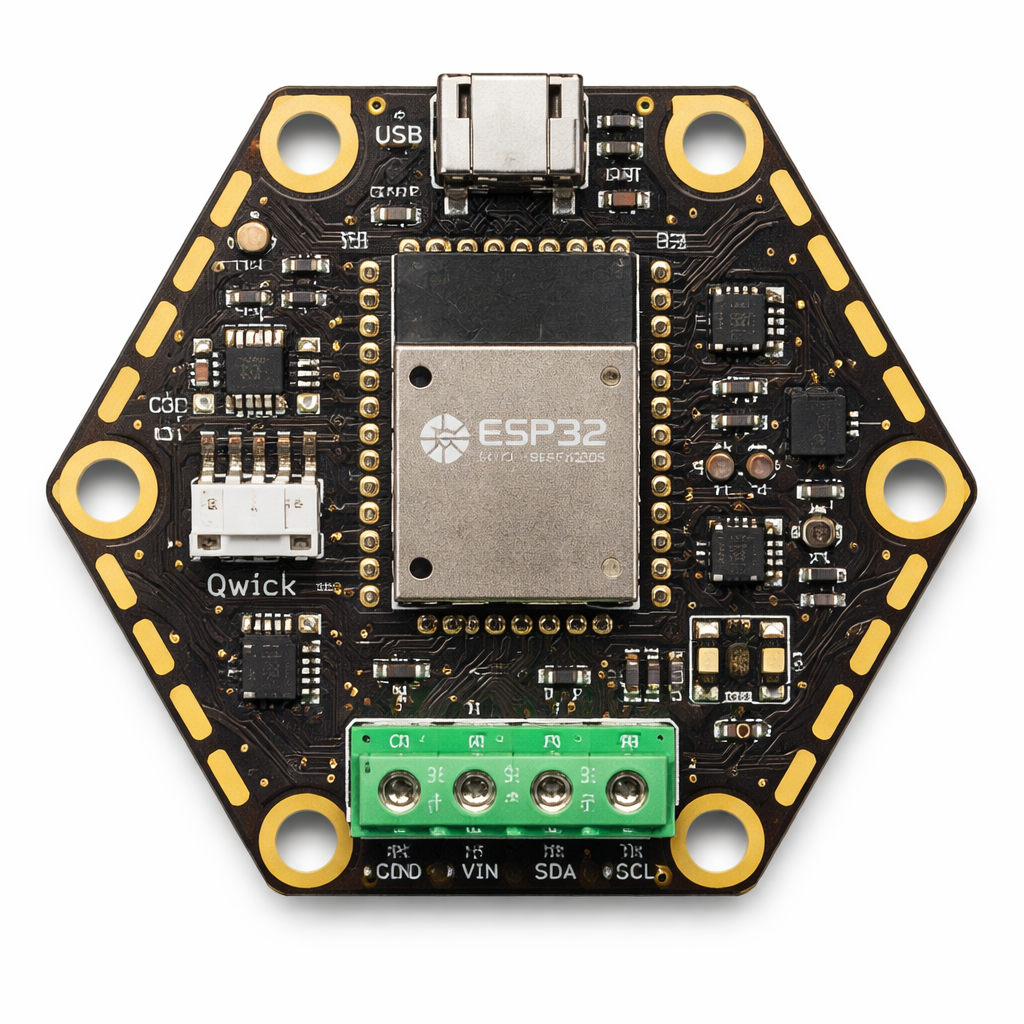
Embedded systems
ESP32-style controllers, Wi-Fi/BLE tools, sensor dashboards, local web UIs, and small machines that stand on their own.
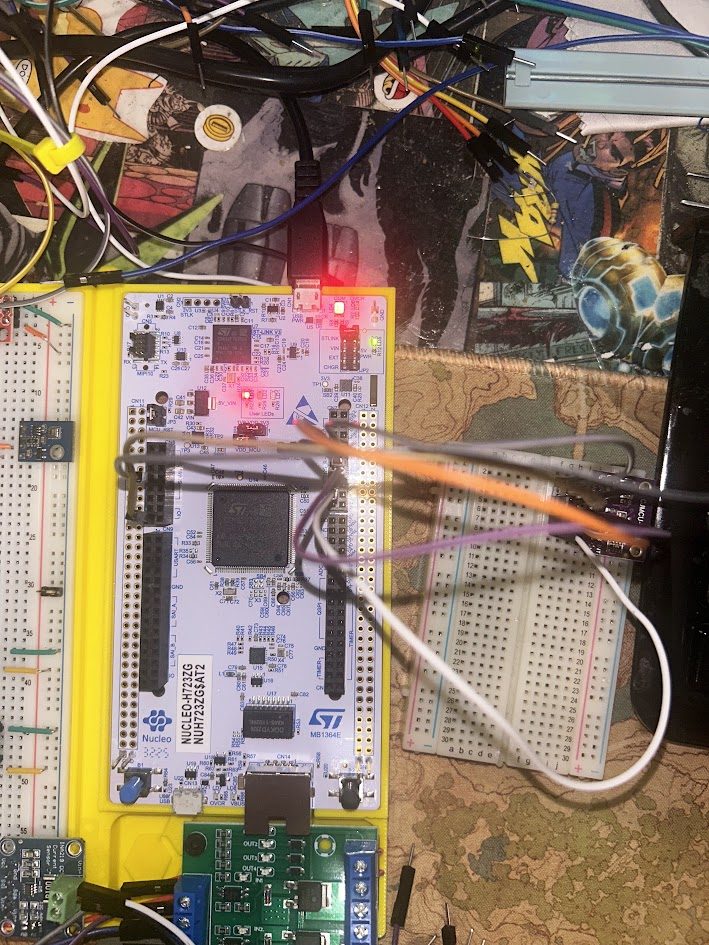
Build logs
Photos, notes, fixes, wiring diagrams, videos, failures, and enough evidence to keep the whole thing honest.
Where the $20 goes
Small support becomes build momentum.
A single $20 does not magically build a lab. A few thousand $20 backers turns into parts, boards, tests, tools, and the runway to finish things publicly.
First operational milestone
Get the first 200 backers. Then build in public.
The full target is 2,400 supporters. The first practical checkpoint is 200 supporters: enough momentum to push a focused build sprint, document the parts list, and show the next round of hardware progress.
Goal: 2,400 backers
First checkpoint: 200 backers
Become one of the 2,400
Project network
The machines crawling out of the shop.
The build fund supports the broader ecosystem: signal devices, boards, mesh ideas, motor-control work, service concepts, and public project experiments.
Mesh / Field NetworkCSprings MeshLocal mesh networking and off-grid signal infrastructure.
ESC / RC PlatformVoidRip X1Control, telemetry, dashboard, and motor platform concepts.
Custom BoardsBumblebee BoardsSmall-run electronics boards and controller platforms.
Signal InstrumentAshen AmberSmart spirit-box inspired hardware and weird signal tools.
Service BuildGrime ReaperPublic-facing service launch work and operational systems.
Build Feed@codepanda_Short build clips, bench updates, and shop-floor proof.
No fine-print fog machine
Clean answers before the button.
Is this an investment?
No. This is direct support for independent project development. It is not equity, stock, debt, a loan, or a promise of financial return.
Is this a preorder?
No. Your $20 supports the work. It does not guarantee a finished product, delivery date, or commercial launch.
What happens if the full $48k is not reached?
The project still moves forward in smaller build sprints. The first useful checkpoint is 200 supporters, then the work scales from there.
Why $20?
It is small enough for regular people to back, but meaningful when multiplied. The entire model is simple: 2,400 people times $20.
The clean version
Chip in $20. Help build the next weird machine.
If this works, it proves a useful thing: independent builders can fund real hardware directly, in public, without waiting for investors, algorithms, or permission.
Direct support only. Not tax advice. Not a charitable-deduction claim. Not an investment, equity sale, loan, preorder guarantee, or financial-return promise.